
What are Mesenchymal Stem Cells?
MSCs are natural cells found in the body with the unique ability to repair, regenerate and modulate the immune system.
Learn moreRegenerative Medicine
Repair. Restore. Renew.
Advanced regenerative solutions using Mesenchymal Stem Cells to support your body's natural healing, improve function, and enhance quality of life.
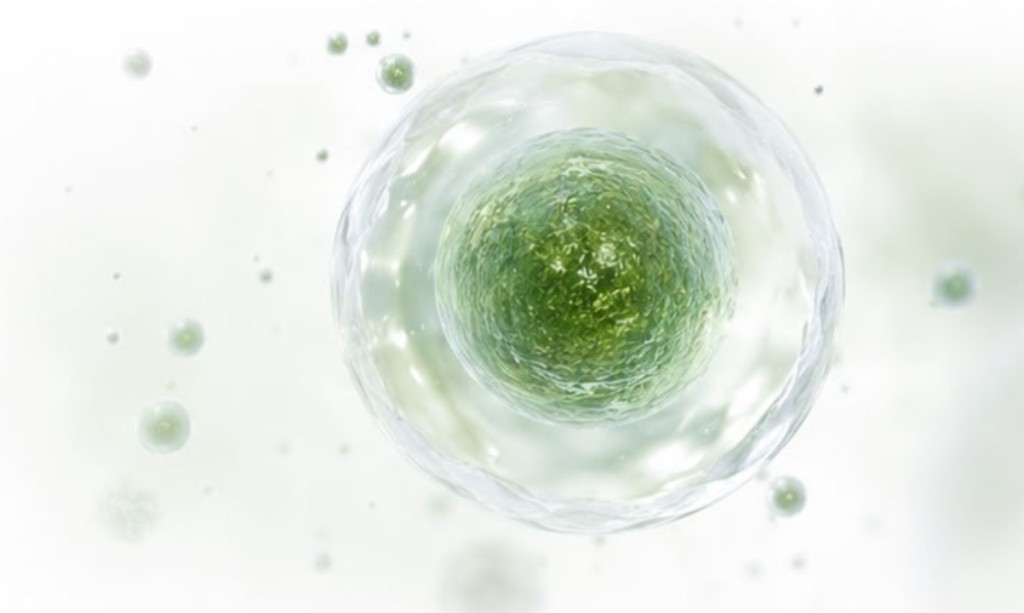
MSCs are natural cells found in the body with the unique ability to repair, regenerate and modulate the immune system.
Learn moreSourced from healthy umbilical tissue, these cells are rich in growth factors, non-invasive to obtain and have strong regenerative potential.
Learn moreMSCs release bioactive factors that reduce inflammation, promote tissue repair, support angiogenesis and regulate the immune response.
Learn moreFrom joint pain and injury recovery to auto-immune conditions and anti-ageing support—MSCs have a wide range of therapeutic uses.
View applicationsSafe & Ethical
Screened, tested and ethically sourced.
Evidence-Based
Backed by scientific research and clinical studies.
Premium Quality
Processed in accredited facilities.
Expert Care
Personalised protocols by experienced doctors.
Section 01
Mesenchymal stromal cells, commonly referred to as mesenchymal stromal cells or MSCs, are multipotent cells that can be isolated from several human tissues.
Rather than simply turning into new tissue, much of the current scientific interest in MSCs relates to the biological signals they release and their interactions with surrounding cells.
These signalling effects are being investigated for their potential roles in:
Section 02
Umbilical-derived MSCs are obtained from donated perinatal tissue, including umbilical cord tissue, following appropriate donor screening and processing.
These cells are of significant interest in regenerative medicine because of their biological characteristics, proliferative capacity and secretion of signalling molecules.
Quality, sterility, donor screening, cell characterisation, manufacturing standards and regulatory compliance are important considerations when evaluating any cell-based product.
Section 03
MSCs appear to exert many of their effects through paracrine signalling — communicating with surrounding cells by releasing biologically active substances.
These include growth factors, cytokines and extracellular vesicles.
Through these signalling pathways, MSCs are being investigated for their potential influence on:
Research into these mechanisms and their clinical significance is ongoing.
Section 04
MSC-based therapies are being investigated across multiple areas of medicine.
Osteoarthritis, cartilage injury, tendon and ligament disorders and other musculoskeletal conditions.
Research is investigating the immunomodulatory properties of MSCs in several inflammatory and immune-mediated diseases.
Potential applications involving wound healing and tissue-repair signalling are under investigation.
Research continues into neurological, cardiovascular, pulmonary and other potential applications.
Important medical context
Not all potential applications of MSCs are established or approved treatments. Evidence varies significantly by condition, cell source, preparation and method of administration.
A medical consultation is required to determine whether a regenerative treatment is appropriate and to discuss available evidence, potential benefits, limitations, alternatives and risks.
Safety & Quality
Cell-based therapies require careful patient selection and appropriate clinical governance.
Individual medical assessment before treatment.
Clear documentation of cell source, processing, storage and traceability.
Appropriate microbiological, quality and product testing.
Recommendations based on the available scientific evidence and the patient's individual circumstances.
Clear discussion of potential benefits, uncertainties, alternatives and risks.
Cell-based therapies should only be offered within the applicable South African regulatory and ethical framework.
FAQ
No. MSC-based therapies are being investigated across several areas of medicine. Not every potential application is an established or approved treatment, and evidence varies by condition, cell source, preparation and method of administration.
No. Current scientific interest focuses largely on biological signalling — including inflammation, immune regulation and tissue-repair processes — rather than guaranteed regeneration. Research into these mechanisms is ongoing.
A medical consultation is required. Your doctor will review your condition, the available evidence, potential benefits, limitations, alternatives and risks before any recommendation is made.
Umbilical-derived MSCs are obtained from donated perinatal tissue, including umbilical cord tissue, following appropriate donor screening and processing. Quality, sterility, characterisation and regulatory compliance are essential considerations.
Cell-based therapies should only be offered within the applicable South African regulatory and ethical framework, with patient screening, informed consent and appropriate clinical governance.
Book a consultation to discuss your condition, review the available evidence and determine whether a regenerative approach may be appropriate for you.